- African Market Insights
- Posts
- AI Tenancy Risk
AI Tenancy Risk

AI AFRICA WEEKLY
- Nigeria leads Africa's AI infrastructure boom with data center capacity surging from 70 MW to 400+ MW by 2030, but risks "AI tenancy" without local ownership and renewable power solutions
- Cross-border AI funding accelerates with SORA Technology's $7.3M total raise demonstrating scalable health-tech models across 10+ African countries through drone-satellite AI integration
- Continental AI readiness crystallizes around Tier 1 hubs (Nigeria, South Africa, Kenya, Egypt) capturing 50%+ of infrastructure while governance-strong markets like Rwanda and Tunisia offer lower-cost entry points
Nigeria is building AI infrastructure; it may never own
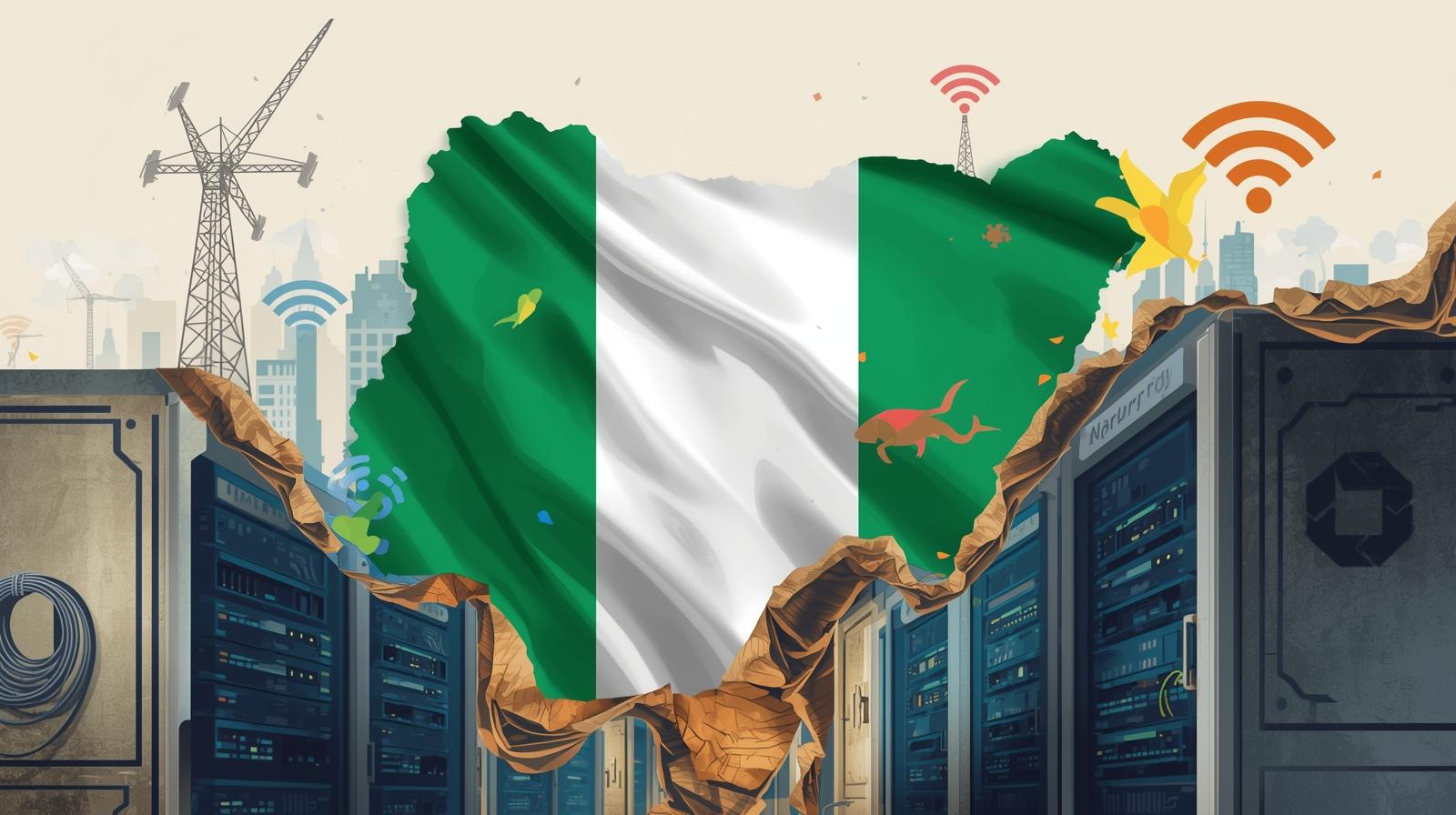
Nigeria's emergence as Africa's AI infrastructure powerhouse represents both unprecedented opportunity and strategic risk. The country's data center capacity expansion from 70 MW to over 400 MW by 2030, fueled by world-class subsea connectivity via 2Africa (180 Tbps) and Google's Equiano (144 Tbps) cables, positions it as the continental leader in AI-ready infrastructure. Kasi Cloud's LOS1 hyperscale facility in Lekki exemplifies this transformation, supporting AI GPUs with 32-44 MW IT load and up to 100 kW per rack for liquid-cooled AI systems, targeting 95% renewable energy and Tier IV reliability.
However, Nigeria's heavy reliance on diesel power amid a 6,000 MW grid falling short of 100,000 MW national needs threatens to transform the country into an "AI tenant" rather than owner. This infrastructure-ownership gap mirrors continent-wide challenges where global hyperscalers may capture value while local ecosystems remain dependent. The technical implementation success of facilities like MTN's 1,500-rack centers and emerging partnerships between NSIA-backed Kasi Cloud and UduTech for regional GPU cloud services demonstrate pathways toward local ownership and African AI model localization.
SORA Technology Raises $2.5M to Scale Drone, Satellite & AI Solutions Across Africa

Japan-based SORA Technology's successful $2.5M late seed close, bringing total funding to $7.3M, demonstrates the maturation of AI-driven health solutions in Africa from pilot to institutional scale. The company's transition from donor-funded experiments to government-embedded deployments across 10+ African countries—including Ghana, Kenya, and Mozambique—through partnerships with WHO, Unitaid, and local health ministries represents a proven scalable model for addressing Africa's 200M+ annual malaria cases and 600K deaths.
SORA's diversified AI applications spanning infectious disease prediction via satellite imagery and drone data, agricultural productivity enhancement through precision spraying, and ESG-compliant environmental monitoring for mining operations showcase the multi-sector revenue potential driving investor confidence. The backing from new Japanese institutional investors (Daiwa House, Central Japan Fund, UNERI) signals strong confidence in cross-border AI solutions tailored for low-resource African environments, with expansion funding specifically allocated to local operations buildup and AI/drone hardware upgrades for continental scalability.
Why AI-Powered Midstream Reliability is Now a Strategic Priority for Africa
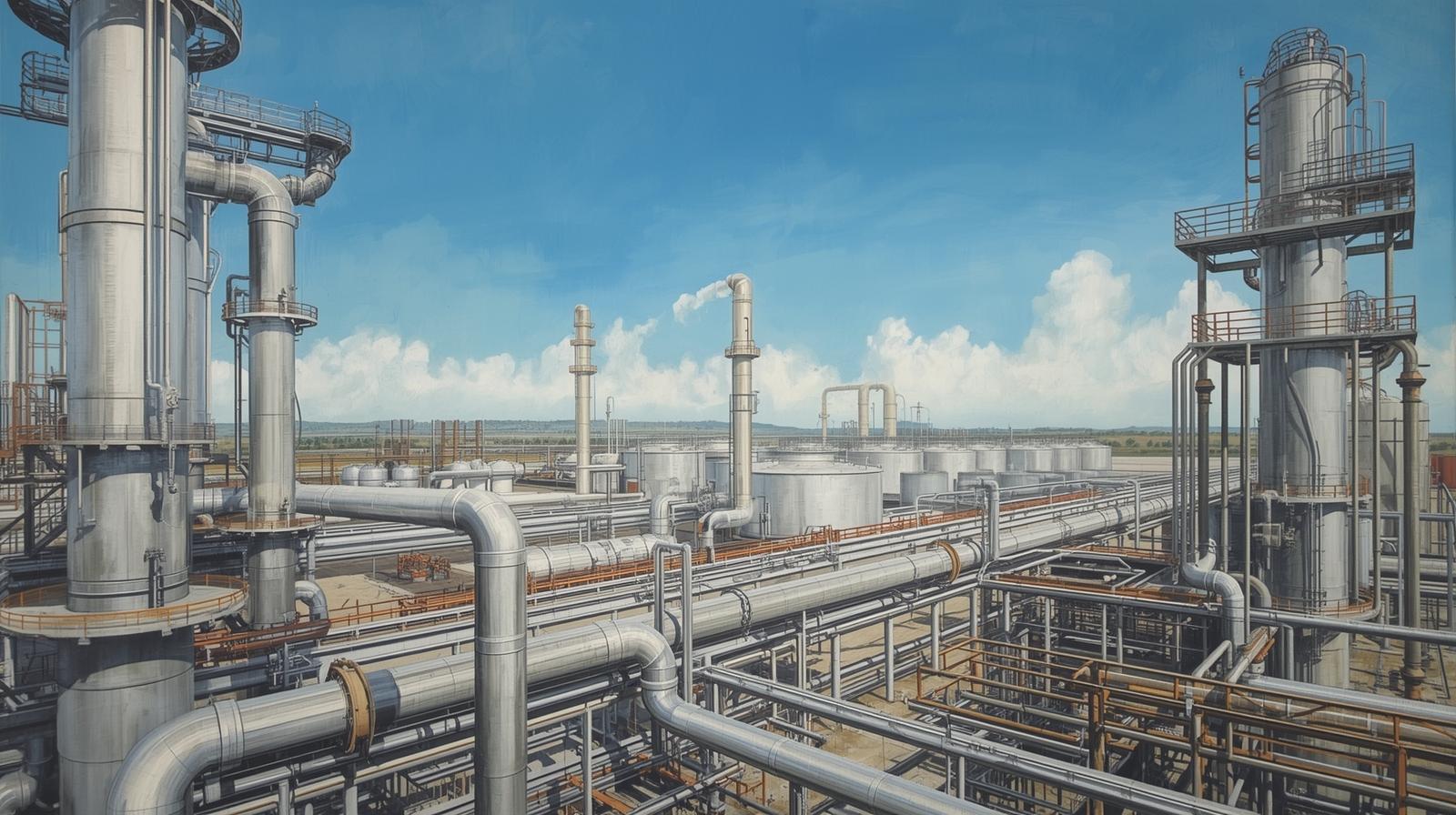
Africa's oil and gas sector is embracing AI-powered predictive analytics to address chronic midstream infrastructure gaps that cost billions in lost revenue annually. The implementation focus on pipelines like the 2,000 km Niger-Benin Oil Pipeline and EACOP (216,000 bpd capacity) demonstrates how data-centric platforms can transform operations from reactive maintenance to real-time predictive stability across diverse terrains. Nigeria's new Otakikpo terminal (360,000 bpd throughput) exemplifies successful AI integration for enhanced throughput and cost control.
The technical deployment requires integrated monitoring systems combining satellite data, IoT sensors, and edge computing capabilities tailored to Africa's power constraints and security challenges. Success depends on cloud/edge hybrid architectures that can operate reliably in remote locations while providing real-time analytics for proactive maintenance scheduling and outage prevention.
The Mouse in the Machine: Disney's Blueprint for the AI Enterprise
Disney's $1 billion OpenAI equity investment paired with enterprise-wide secure LLM deployment offers African organizations a blueprint for strategic AI vendor alignment, demonstrating how equity stakes can hedge compute costs while securing preferential access to cutting-edge capabilities for local content creation and knowledge management.
Read MoreOpenAI launches ChatGPT Health
OpenAI's health AI platform addressing 40M+ daily health queries, combined with partnerships like Kenya-based Penda Health, creates implementation opportunities for African health providers to integrate global AI tools with local care delivery, particularly valuable given Africa's healthcare access challenges and mobile-first infrastructure.
Read MoreTen AI regulatory upsets to prepare for in 2026
Global banking regulators applying existing data protection laws to AI rather than creating new frameworks mirrors African approaches where 36 countries with data protection laws can build compliant AI ecosystems without waiting for new legislation, creating competitive advantages for early movers in fintech and banking AI applications.
Read MoreAfDB Report: AI Could Add $1 Trillion to Africa's GDP by 2035
The African Development Bank's roadmap for $1 trillion GDP boost through AI's 'Full Activation' scenario emphasizes building data systems, compute infrastructure, and skills across agriculture, finance, and healthcare, with 35-40 million digital jobs creation highlighting the continental transformation potential when supported by coordinated investment in foundational enablers.
Read MoreMicrosoft AI Report: Top 10 African Countries for AI Readiness
Microsoft's ranking of South Africa, Nigeria, Kenya, and Egypt as top AI-ready markets, driven by hyperscale data centers and multilingual model development like InkubaLM, reveals tiered ecosystem opportunities where Tier 1 infrastructure enables rapid scaling while Tier 2 governance-strong markets offer lower-cost entry points for localized AI deployment.
Read MoreAn African AI EduTech Moment: Move Forward with Intention
Africa's $7.3B EdTech market growing to $19.2B by 2034 requires structured AI implementation with teacher training and outcome metrics to avoid cognitive offloading risks, as demonstrated by Brazil's Letrus platform achieving 0.09 standard deviation improvements in learning outcomes through carefully scaffolded AI deployment rather than unstructured technology adoption.
Read More🤖 Forward this newsletter to colleagues interested in African AI investment opportunities
🔗 Visit Africa Insights AI for detailed AI market analysis
💡 Subscribe to our main newsletter for broader African business intelligence
© 2025 Africa Insights AI. All rights reserved.