- African Market Insights
- Posts
- Battery Belt
Battery Belt

- Energy Infrastructure Surge: $4.1B+ in renewable energy projects across Egypt and Tunisia signal Africa's shift toward large-scale clean energy with integrated storage and manufacturing
- African Capital Consolidation: Indigenous operators and DFI partnerships are reshaping investment landscapes, from Nigeria's $500M energy M&A to coordinated AfDB-Arab financing platforms
- Trade Gateway Expansion: Nigeria-UAE CEPA and Tanzania's fast-track SEZ policies create new corridors for Gulf-Africa commerce and export-oriented manufacturing
Egypt's $1.8B Solar-Storage Megaproject Transforms MENA Energy Landscape
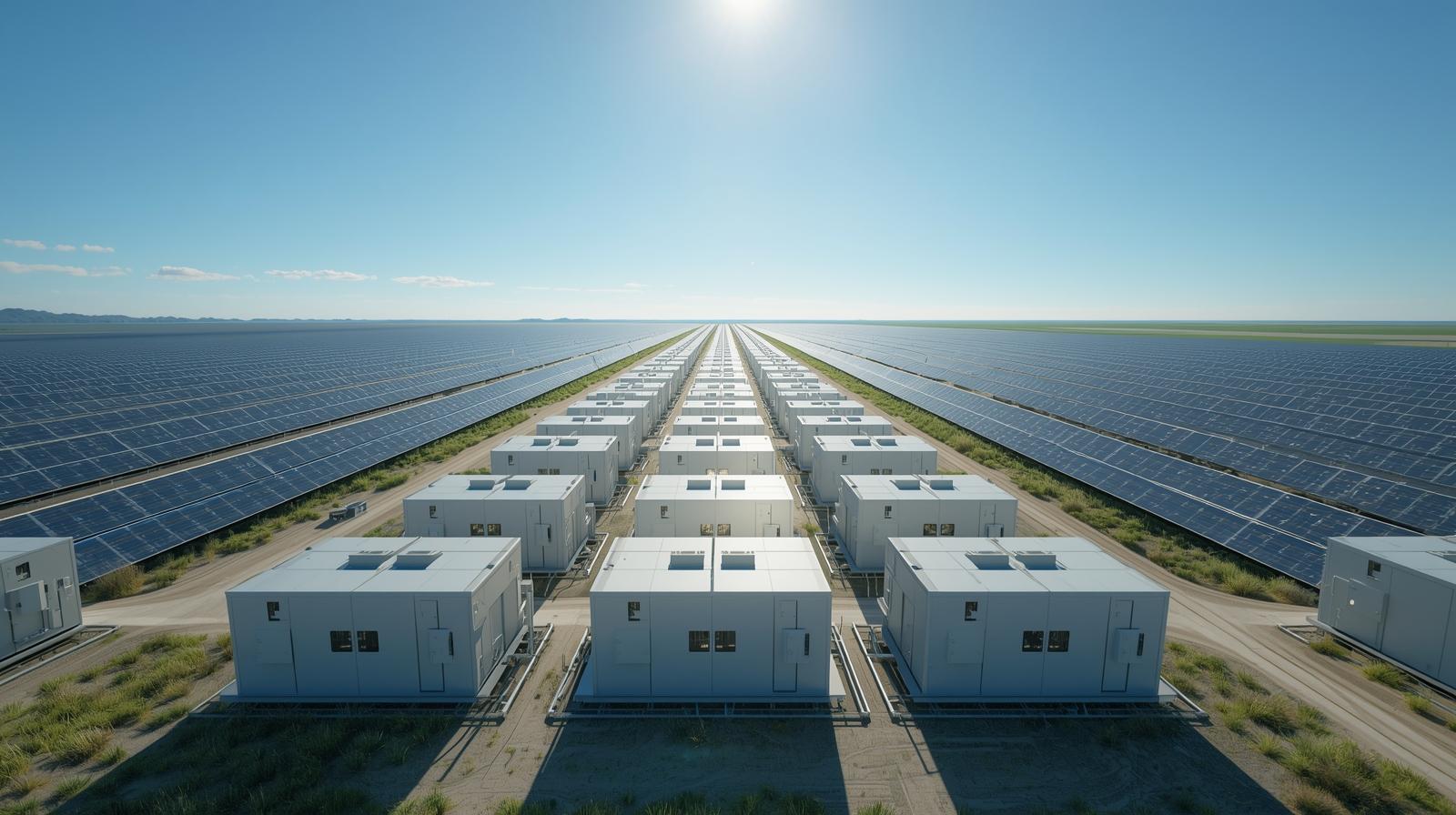
- Infrastructure Funds: De-risked long-term cash flows through multilateral DFI backing and USD-denominated contracts
- Manufacturing Partners: Entry points for EPC contractors and component suppliers via 50%+ local content requirements
- Regional Expansion: Template for integrated renewable projects across Africa's advanced grid markets
- Green Hydrogen: Foundation infrastructure supporting Egypt's $60B hydrogen roadmap and 7.5-8% GDP growth targets
Indigenous African Energy Operators Drive $500M+ Consolidation Wave
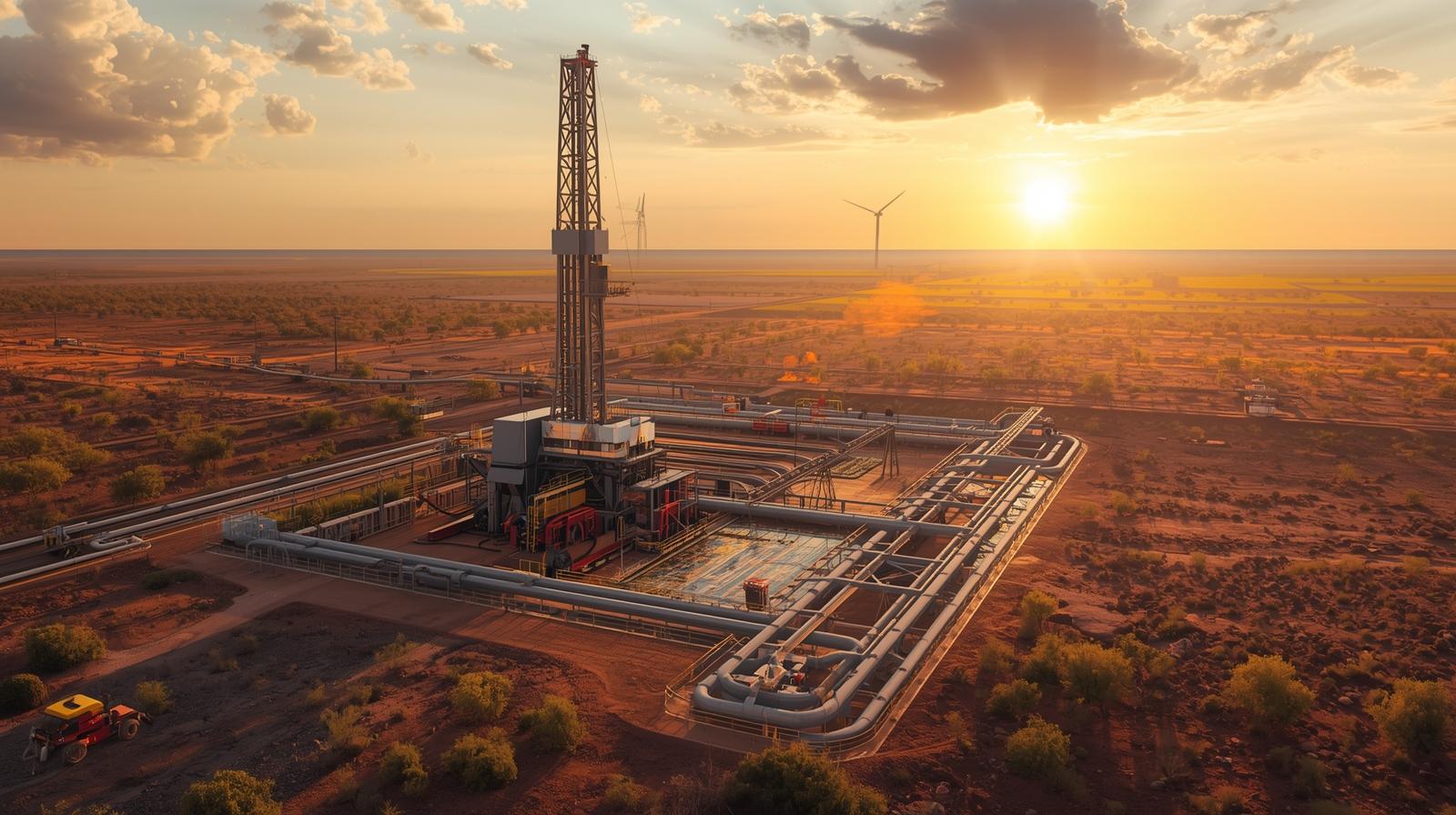
African indigenous operators like Heirs Energies and Aradel Holdings are reshaping Nigeria's upstream sector through strategic acquisitions, exemplified by Heirs' $500 million purchase of a 20.07% stake in Seplat Energy. This consolidation creates investment-ready platforms with access to mature assets producing over 350,000 barrels of oil equivalent per day, backed by African financiers including Afreximbank's $750 million facility and Africa Finance Corporation funding.
The shift from international majors to well-capitalized indigenous firms offers clearer governance structures, faster decision-making, and enhanced regulatory alignment compared to traditional joint venture complexities. With Heirs now controlling dual-listed Seplat Energy's significant gas reserves and infrastructure, investors gain exposure to scalable growth in LNG/CNG, pipelines, and power generation—positioning portfolios for Nigeria's energy transition priorities.
Nigeria-UAE Trade Pact Opens $4.3B Gateway to AfCFTA Markets

Nigeria and the UAE's Comprehensive Economic Partnership Agreement eliminates tariffs on over 7,000 Nigerian products immediately, building on bilateral non-oil trade that surged 55% year-over-year to $4.3 billion in 2024. This deal positions Nigeria as a strategic gateway to the African Continental Free Trade Area's 1.4 billion consumers while enhancing FDI flows into agriculture, energy, technology, and infrastructure sectors.
The agreement removes investment barriers and grants Nigerians 90-day visa-free business visits plus renewable specialist visas, while enabling UAE capital deployment into Nigeria's high-growth sectors. This aligns with Nigeria's 4.1% economic growth in 2024 and reform momentum targeting a $1 trillion GDP by 2036.
- Nigerian exporters should immediately certify products for duty-free UAE access through the Export Promotion Council
- Establish UAE subsidiaries for MENA re-export opportunities and leverage the upcoming Lagos Investopia conference for partnership development
- UAE investors should explore Nigeria's minerals, renewables, and logistics sectors under the agreement's enhanced investment protections
AfDB-Arab Coordination Group Launch Strategic Co-Financing Platform
The African Development Bank and Arab Coordination Group formalized a partnership targeting Africa's $402 billion annual funding gap through coordinated, large-scale investments in energy access, climate resilience, and private sector growth amid declining Western donor support.
Read MoreAfreximbank Backs $64M Nigerian Gas Infrastructure Investment
Afreximbank provided acquisition finance enabling a 30% stake purchase in Axxela Limited, West Africa's leading gas infrastructure platform, supporting regulated midstream revenues and Nigeria's domestic gas utilization priorities through DFI-backed blended finance models.
Read MoreTanzania Launches One-Year Fast-Track Investment Framework
Tanzania's new SEZ framework via Tiseza enables strategic investors to secure approvals, land, and start production within 12 months, supported by 10-year tax holidays and duty-free imports as registered investment capital tripled to $22.91 trillion by 2024.
Read More📧 Forward this newsletter to colleagues interested in African business intelligence
🔗 Visit Africa Insights AI for detailed market analysis
© 2026 Africa Insights AI. All rights reserved.